


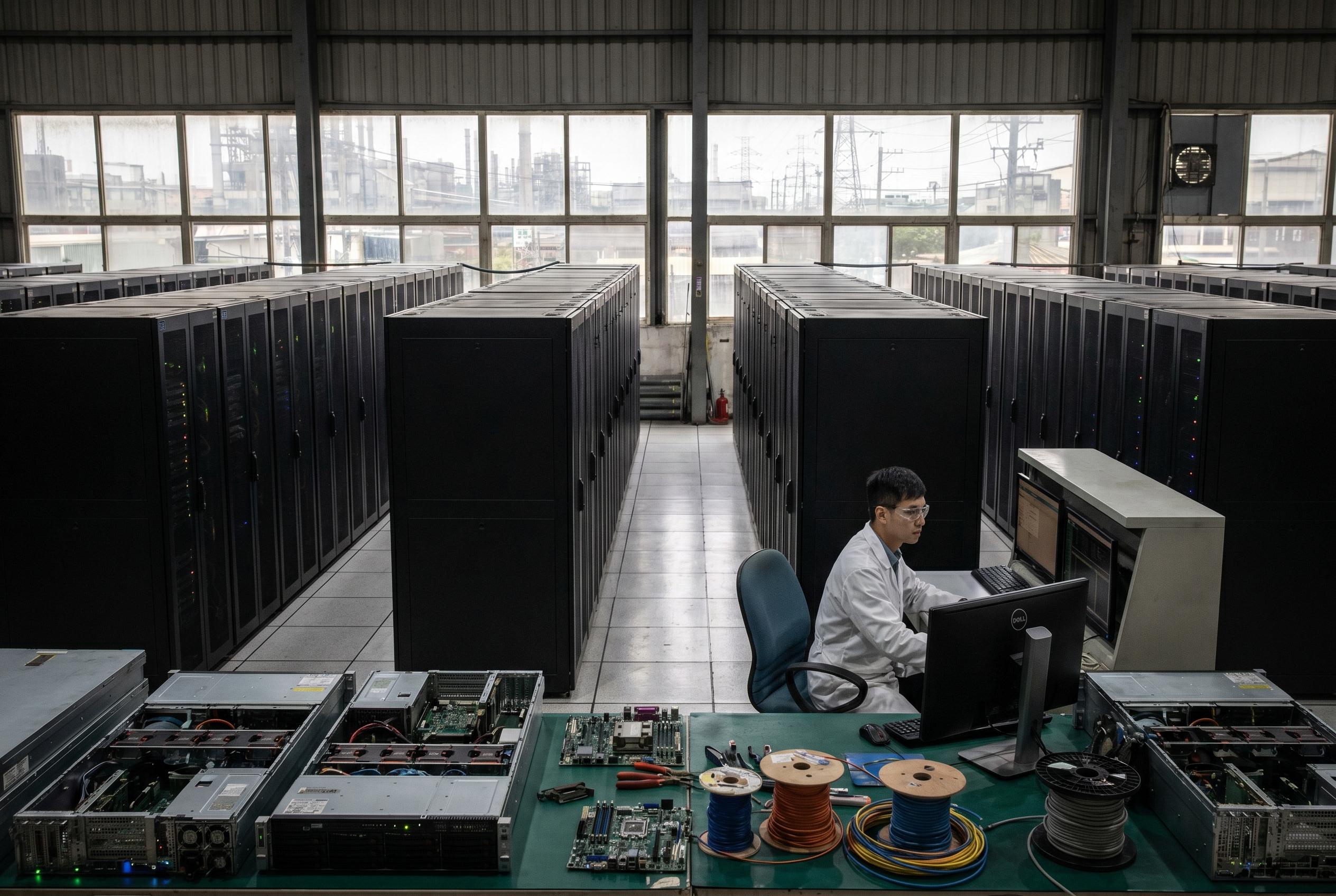
As AI workloads reshape HPC architectures, industry leaders highlight metadata-rich, policy-driven storage strategies as essential to unlocking performance and cost-efficiency in GPU-intensive environments.
High-performance computing has long been built around predictable simulation jobs, engineering models and scientific workloads that relied on large checkpoint files and scheduled bursts of I/O. That design is now being challenged by the rise of AI-enabled HPC, where training runs, digital twins and simulation-AI workflows depend on constant data movement rather than intermittent file writes. HCLTech argues that this shift is turning storage from a back-office utility into a core determinant of how effectively organisations can use costly accelerator hardware.
The wider industry is reaching the same conclusion. Weka has warned that conventional storage layers are becoming a major drag on GPU-heavy environments, while Exxact says the way data is delivered to accelerators is now one of the most important constraints on AI performance. At the same time, storage vendors are increasingly promoting metadata-rich platforms and object-based architectures to handle the explosion of small files, feature sets and unstructured datasets that AI pipelines generate, as highlighted by reporting from HPCwire and Techtarget.
One of the clearest pressure points is metadata. In older HPC estates, metadata services were often sized for modest workloads and occasional access patterns. AI changes that equation by creating millions of file lookups and directory operations, often long before raw bandwidth is exhausted. That means bottlenecks can appear in places many teams do not expect, especially where CPU-mediated data paths, multiple memory copies and inefficient protocol handling slow access to GPUs.

The response, according to HCLTech, is a more deliberate storage architecture built around workload classification, policy-driven tiering and stronger automation. That can include NVMe, parallel file systems, object storage and archive layers, with lifecycle rules deciding where data should live and when it should move. It also means treating metadata as a standalone service, reducing CPU involvement in the data path and integrating storage more tightly with schedulers and MLOps tools such as SLURM and Kubernetes.
Vendors are already adjusting to that market reality. Dell Technologies unveiled new AI data platform capabilities at Supercomputing 2025, framing storage performance and efficiency as essential to turning data into usable AI output. For HCLTech, the strategic message is similar: organisations that modernise storage for AI-HPC can improve GPU utilisation, reduce experimentation costs and scale collaboration across hybrid environments, while those that cling to checkpoint-era designs risk undercutting the very systems they have invested in.
Source Reference Map
Inspired by headline at: [1]
Sources by paragraph:
Source: Noah Wire Services
Noah Fact Check Pro
The draft above was created using the information available at the time the story first
emerged. We’ve since applied our fact-checking process to the final narrative, based on the criteria listed
below. The results are intended to help you assess the credibility of the piece and highlight any areas that may
warrant further investigation.
Freshness check
Score:
10
Notes:
The article was published on May 1, 2026, making it highly current. No evidence of prior publication or recycled content was found. The content appears original and up-to-date.
Quotes check
Score:
10
Notes:
No direct quotes are present in the article, indicating that all information is paraphrased or original. This enhances the credibility and originality of the content.
Source reliability
Score:
10
Notes:
The article originates from HCLTech’s official blog, a reputable source within the technology industry. HCLTech is a well-established global technology company, lending authority to the content.
Plausibility check
Score:
10
Notes:
The claims made in the article align with current industry trends and technological advancements in AI and HPC. The information is consistent with known developments in the field, and no implausible statements were identified.
Overall assessment
Verdict (FAIL, OPEN, PASS): PASS
Confidence (LOW, MEDIUM, HIGH): HIGH
Summary:
The article is current, original, and authored by a reputable source. It presents plausible information consistent with industry trends and is freely accessible without paywall restrictions. While the content is not independently verified, the author’s credibility supports its reliability. Therefore, the overall assessment is a PASS with HIGH confidence.