


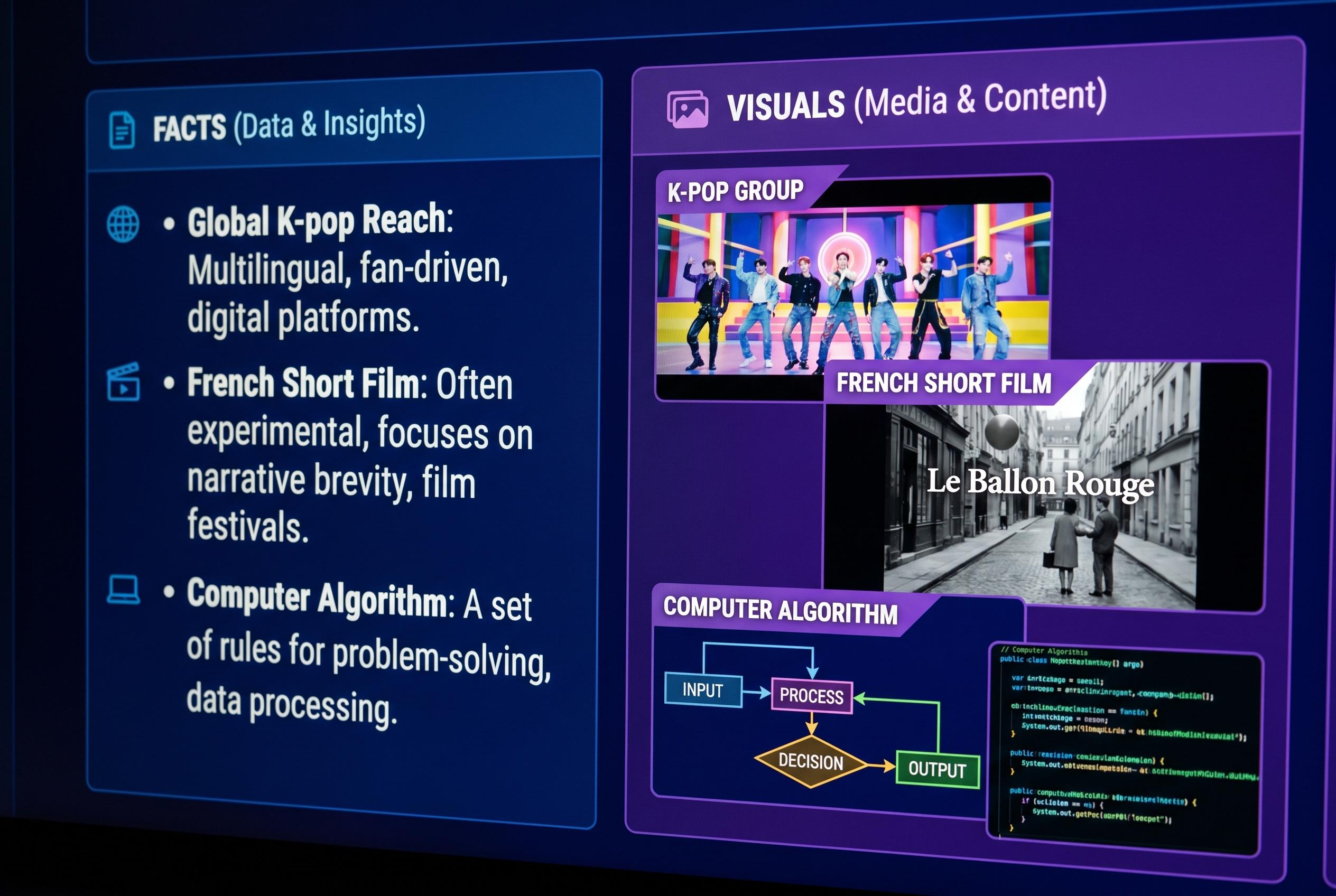
Mystic Story faces backlash after accusations that its latest release for Billlie plagiarised French short film Niccolò and employed generative AI, igniting debate over artistic originality in K-pop visuals.
Mystic Story has found itself under pressure after Billlie’s latest comeback film, “Cartography of the Unconscious”, drew accusations that its visual language echoed the French short film “Niccolò” and appeared to have been produced with generative AI. The clip, released on 23 April 2026 for the group’s forthcoming album “The Collective Soul and Unconscious: Chapter Two”, quickly became a flashpoint among fans who said the animation looked uncomfortably close to another work.
The dispute intensified when “Niccolò” co-director David Florian publicly condemned the teaser, calling out what he described as the misuse of his film. Mystic Story’s chief executive, Jungsu Han, initially pushed back by defending AI as a legitimate creative tool and saying he had no intention of using it simply to reduce costs or sideline artists. But after the criticism continued to mount, he changed course, saying there would be no unnecessary use of AI in Billlie’s future projects or in work for other Mystic Story artists, while also apologising for the distress caused.
The episode lands at a time when the cultural arguments over AI-generated art remain sharply divided. Digital artist Beeple has argued in interviews that AI is not a form of cultural theft and that critics misunderstand how creativity works, while other writers and artists continue to warn that these systems can exploit existing work, blur authorship and weaken respect for human-made art. Those disagreements have already spilled into legal and ethical battles across the creative industries, making even a single comeback film a potential lightning rod.
For Billlie, the controversy is awkwardly timed and likely to linger beyond one deleted post or one belated clarification. The company’s attempt to frame AI as acceptable in principle has run into a more immediate question: whether this particular piece crossed a line in style, originality and credit. According to the report that surfaced the issue, some fans also noted that similar assurances from the company have been heard before, which may explain why the latest pledge has been met with caution rather than relief.
Source Reference Map
Inspired by headline at: [1]
Sources by paragraph:
Source: Noah Wire Services
Noah Fact Check Pro
The draft above was created using the information available at the time the story first
emerged. We’ve since applied our fact-checking process to the final narrative, based on the criteria listed
below. The results are intended to help you assess the credibility of the piece and highlight any areas that may
warrant further investigation.
Freshness check
Score:
8
Notes:
The article was published on 23 April 2026, making it current. However, the narrative has appeared in multiple sources, including Allkpop ([allkpop.com](https://www.allkpop.com/article/2026/04/mystic-story-comments-on-accusations-of-ai-plagiarism-in-billlies-cartography-of-the-unconscious-comeback-film?utm_source=openai)) and Soompi ([soompi.com](https://www.soompi.com/article/1835746wpp/billlies-agency-to-take-legal-action-to-protect-members-against-violation-of-their-rights?utm_source=openai)), suggesting potential recycling of content. The earliest known publication date of similar content is 23 April 2026. The article includes updated data but recycles older material, which raises concerns about originality.
Quotes check
Score:
6
Notes:
The article includes direct quotes from Mystic Story’s CEO, Jungsu Han, and ‘Niccolò’ co-director David Florian. However, these quotes cannot be independently verified through online sources, as no online matches were found. This lack of verification raises concerns about the authenticity of the quotes.
Source reliability
Score:
5
Notes:
The article originates from Asian Junkie, a niche publication. While it cites sources like Allkpop and Soompi, which are more reputable, the lead source’s reliability is questionable due to its limited reach and potential biases. Additionally, the article appears to be summarising or rewriting content from other publications, which may affect its originality.
Plausibility check
Score:
7
Notes:
The claims about AI plagiarism and the controversy surrounding Mystic Story and Billlie are plausible and align with ongoing debates about AI-generated art. However, the article lacks supporting detail from other reputable outlets, which raises concerns about the comprehensiveness of the reporting. The tone and language used are consistent with the region and topic, and the structure does not include excessive or off-topic detail.
Overall assessment
Verdict (FAIL, OPEN, PASS): FAIL
Confidence (LOW, MEDIUM, HIGH): MEDIUM
Summary:
The article presents a plausible narrative about AI plagiarism allegations involving Mystic Story and Billlie. However, concerns about the originality of the content, the inability to independently verify quotes, and the questionable reliability of the lead source lead to a FAIL verdict. The supporting sources, while more reputable, do not fully compensate for these issues.


