


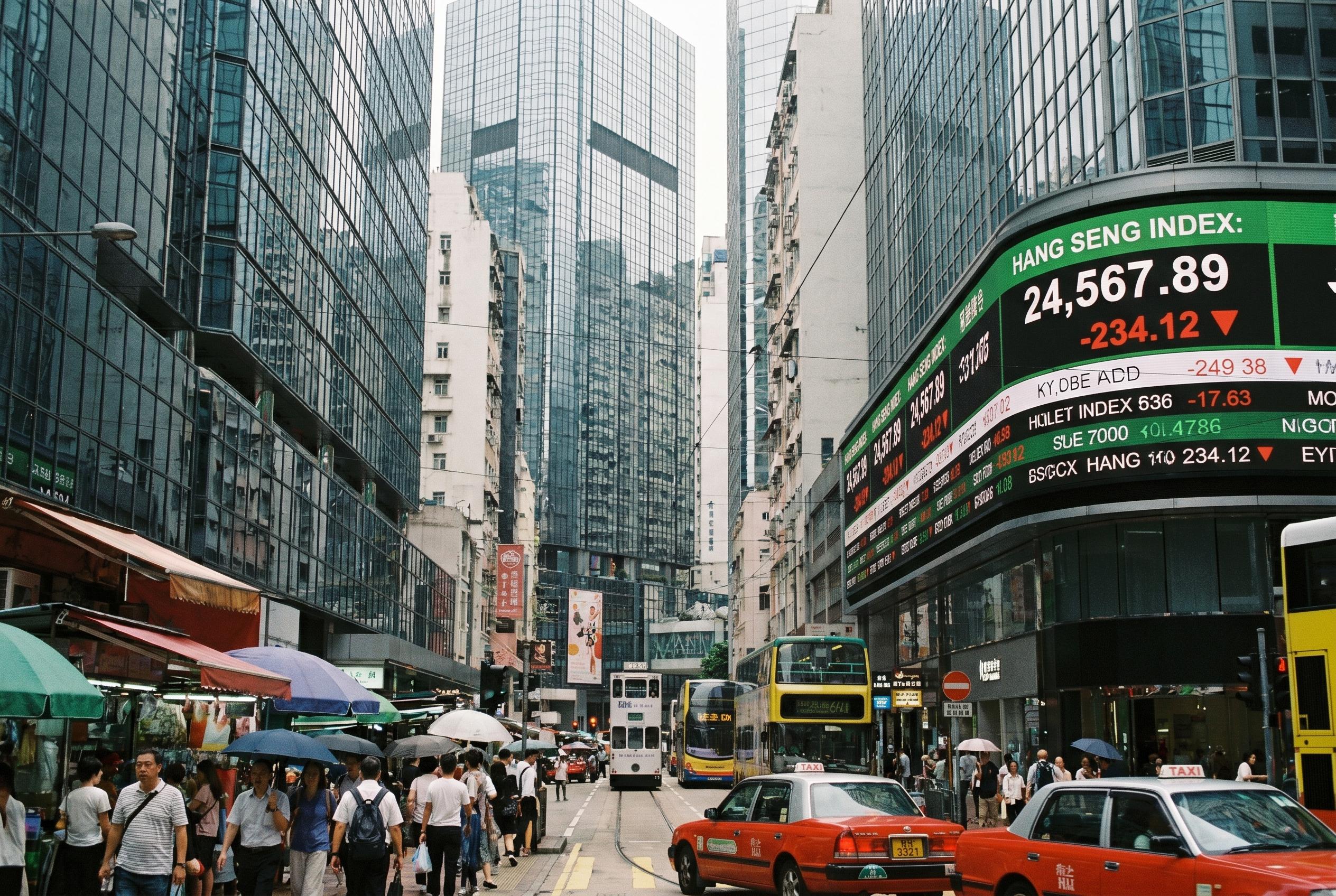
Hong Kong equities experienced a week of subdued trading, with the Hang Seng Index slipping below 26,000, yet Hong Kong Exchanges and Clearing showcases strong fundamentals and ongoing structural reforms to support long-term growth.
Hong Kong equities ended the week under pressure as the Hang Seng Index slipped back below the 26,000 mark, a move that reflected cautious trading rather than a sharp loss of confidence. By April 30, the benchmark had fallen 1.28% to 25,776.53, after moving within a relatively narrow band between 25,734.16 and 26,072.24 during the week. The Hang Seng China Enterprises Index dropped 1.41% to 8,681.83, while the Hang Seng TECH Index eased 0.79% to 4,871.32, showing that mainland and technology-heavy counters remained the main sources of weakness. The Hang Seng Biotech Index edged fractionally higher, offering one of the few bright spots in an otherwise subdued market.
The week’s softer close came after a mixed run for Hong Kong shares. The Hang Seng had briefly finished above 25,900 on April 24, helped by gains in chipmaker SMIC and other technology names, but that momentum proved fragile as selling returned later in the period. A separate session on April 17 also saw the index fall by 233 points, with the tech gauge underperforming again. Across both mainland and Hong Kong markets, the pattern pointed to investors still favouring selective trading over broad conviction.
Even so, the latest pullback sits against a more supportive fundamental backdrop for Hong Kong Exchanges and Clearing. The company has reported record quarterly revenue and profit for the first quarter of 2026, helped by strong turnover and continued participation from local, mainland and overseas investors. Average daily trading value remained elevated through the quarter, with several sessions exceeding HK$300 billion, underscoring how active the market has remained despite periodic volatility. Northbound Stock Connect was a particular strength, with average daily turnover up 70% year on year.

HKEX has also continued to refine market structure in ways that could support longer-term activity. According to the company’s recent updates, it is tightening minimum spreads, consulting on a move to T+1 settlement and widening Stock Connect participation. Hong Kong has likewise kept its position as a major listing venue, with a healthy IPO pipeline helping to support liquidity and market depth. The Hang Seng remains within its 52-week range, suggesting that while sentiment has cooled in the near term, structural support is still in place.
Source Reference Map
Inspired by headline at: [1]
Sources by paragraph:
Source: Noah Wire Services
Noah Fact Check Pro
The draft above was created using the information available at the time the story first
emerged. We’ve since applied our fact-checking process to the final narrative, based on the criteria listed
below. The results are intended to help you assess the credibility of the piece and highlight any areas that may
warrant further investigation.
Freshness check
Score:
8
Notes:
The article reports on the Hang Seng Index’s performance up to April 30, 2026. Similar information was reported by The Standard on April 23, 2026, indicating that the narrative is not entirely fresh. ([thestandard.com.hk](https://www.thestandard.com.hk/finance/article/330080/Hang-Seng-Index-drops-below-26000-points-by-noon-on-Thursday?utm_source=openai)) However, the article provides more recent data, including the index’s performance up to April 30, 2026, which adds some freshness.
Quotes check
Score:
7
Notes:
The article includes specific figures and percentages, such as the Hang Seng Index closing at 25,776.53 points, a 1.28% decline, and the Hang Seng China Enterprises Index dropping 1.41% to 8,681.83 points. These figures are consistent with data from The Standard on April 23, 2026, suggesting that the quotes may have been reused. ([thestandard.com.hk](https://www.thestandard.com.hk/finance/article/330080/Hang-Seng-Index-drops-below-26000-points-by-noon-on-Thursday?utm_source=openai)) However, the article provides more recent data, including the index’s performance up to April 30, 2026, which adds some originality.
Source reliability
Score:
6
Notes:
The article originates from Business Today, a niche publication. The Standard, a more reputable source, reported similar information on April 23, 2026, indicating that the narrative may have been derived from The Standard’s coverage. ([thestandard.com.hk](https://www.thestandard.com.hk/finance/article/330080/Hang-Seng-Index-drops-below-26000-points-by-noon-on-Thursday?utm_source=openai)) This raises concerns about the independence of the source.
Plausibility check
Score:
8
Notes:
The article’s claims about the Hang Seng Index’s performance are plausible and align with recent market trends. However, the reliance on a niche source and potential reuse of content from The Standard raises questions about the originality and independence of the reporting.
Overall assessment
Verdict (FAIL, OPEN, PASS): FAIL
Confidence (LOW, MEDIUM, HIGH): MEDIUM
Summary:
The article presents information about the Hang Seng Index’s performance up to April 30, 2026. However, similar information was reported by The Standard on April 23, 2026, indicating potential reuse of content. The reliance on a niche source and potential derivation from a more reputable source raises concerns about the originality and independence of the reporting. Given these issues, the article does not meet the necessary standards for publication.