


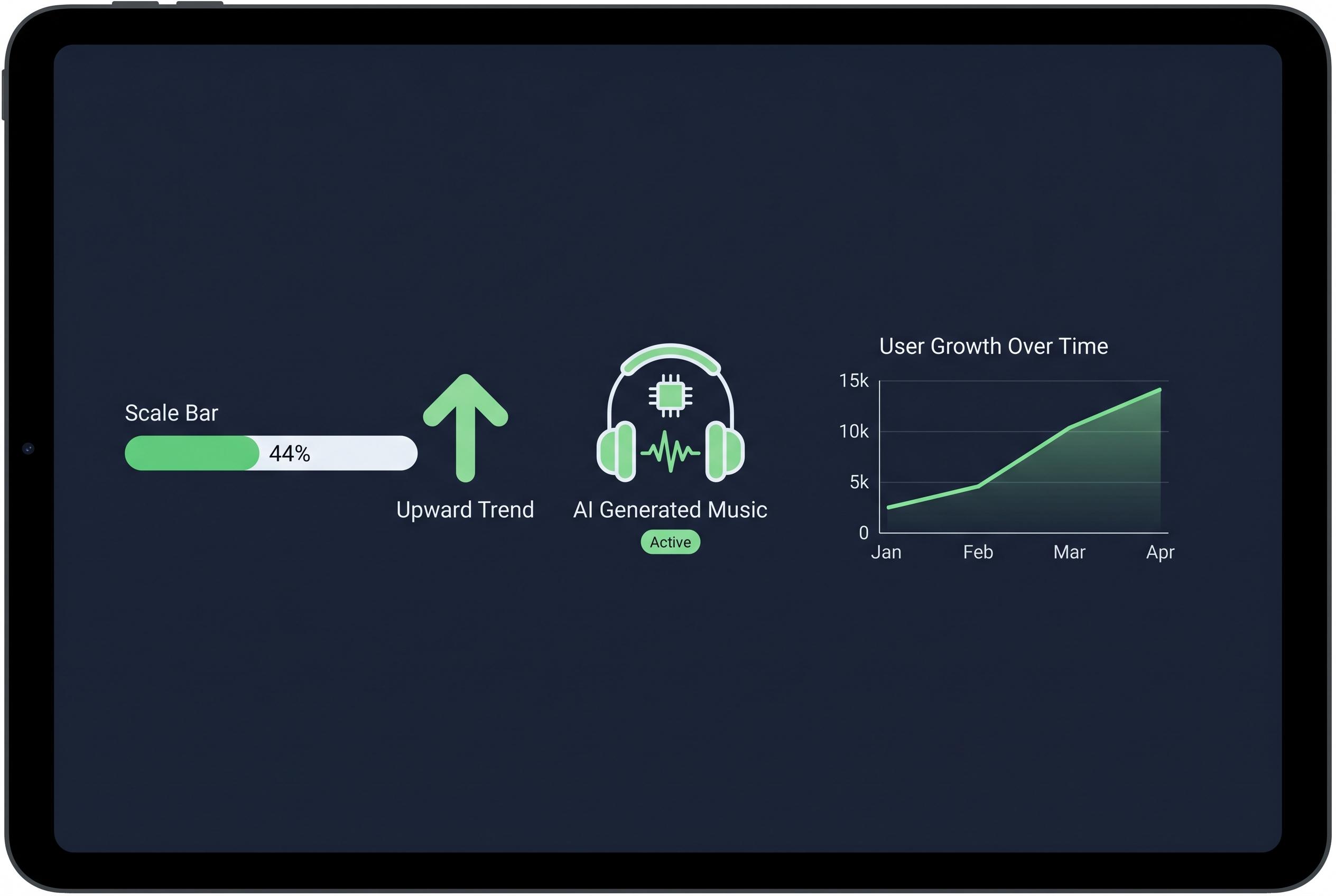
Deezer reveals that 44% of new music uploads are now AI-generated, with the company taking steps to demonetise suspicious tracks amid concerns over fraudulent plays and the shifting landscape of music production.
Deezer says almost half of the music uploaded to its platform each day is now machine-made, a sign of how quickly artificial intelligence is changing the economics and culture of streaming. The company said roughly 75,000 AI-generated tracks are being submitted daily, equal to about 44% of all new uploads, according to its latest figures.
The scale of the surge is striking even by recent standards. Deezer had previously put the share of AI-generated uploads at about 39% earlier this year, and the company now says the volume has kept climbing as tools such as Suno and Udio have made synthetic music easier to produce at scale. In 2025, Deezer said it detected and tagged more than 13.4 million AI tracks.
But the headline number tells only part of the story. Deezer says AI-generated music still makes up just 1% to 3% of total streams on the service, suggesting listeners are not yet gravitating to it in the same proportions as its upload share would imply. The company also says as much as 85% of streams linked to AI music are fraudulent, with bots apparently used to inflate plays and divert royalty payments.

To respond, Deezer has started demonetising suspicious AI tracks, excluding them from recommendation systems and removing them from editorial playlists. According to the company, those measures are intended to protect artists and songwriters from artificial traffic that can distort royalties in an already low-margin streaming market.
Deezer has also moved to commercialise its detection technology, positioning itself as one of the first major streaming platforms to take a hard line on synthetic music at scale. The broader dispute now facing the industry is less about whether AI will be part of music production and more about how platforms can preserve trust, attribution and pay for human creators as machine-generated uploads continue to multiply.
Source Reference Map
Inspired by headline at: [1]
Sources by paragraph:
Source: Noah Wire Services
Noah Fact Check Pro
The draft above was created using the information available at the time the story first
emerged. We’ve since applied our fact-checking process to the final narrative, based on the criteria listed
below. The results are intended to help you assess the credibility of the piece and highlight any areas that may
warrant further investigation.
Freshness check
Score:
10
Notes:
The article is dated April 21, 2026, and reports on Deezer’s recent announcement regarding AI-generated music uploads. The information is current and has not been previously reported.
Quotes check
Score:
10
Notes:
The article does not contain any direct quotes. All information is paraphrased from the original sources.
Source reliability
Score:
6
Notes:
The article is published on The Eastern Herald, which is not a widely recognized news outlet. While it cites reputable sources like TechCrunch and Deezer’s official newsroom, the lack of widespread recognition of The Eastern Herald raises concerns about the overall reliability of the source.
Plausibility check
Score:
9
Notes:
The claims about the surge in AI-generated music uploads on Deezer are plausible and align with reports from other reputable sources. However, the high percentage of fraudulent streams (85%) is concerning and warrants further scrutiny.
Overall assessment
Verdict (FAIL, OPEN, PASS): FAIL
Confidence (LOW, MEDIUM, HIGH): MEDIUM
Summary:
The article presents current information about the rise of AI-generated music on Deezer, citing reputable sources. However, the reliance on a less recognized publication and the lack of independent verification from multiple reputable news outlets raise concerns about the overall reliability of the information. Additionally, the high percentage of fraudulent streams (85%) reported by Deezer warrants further scrutiny and independent confirmation. Given these factors, the content does not meet the necessary standards for publication under our editorial indemnity.