


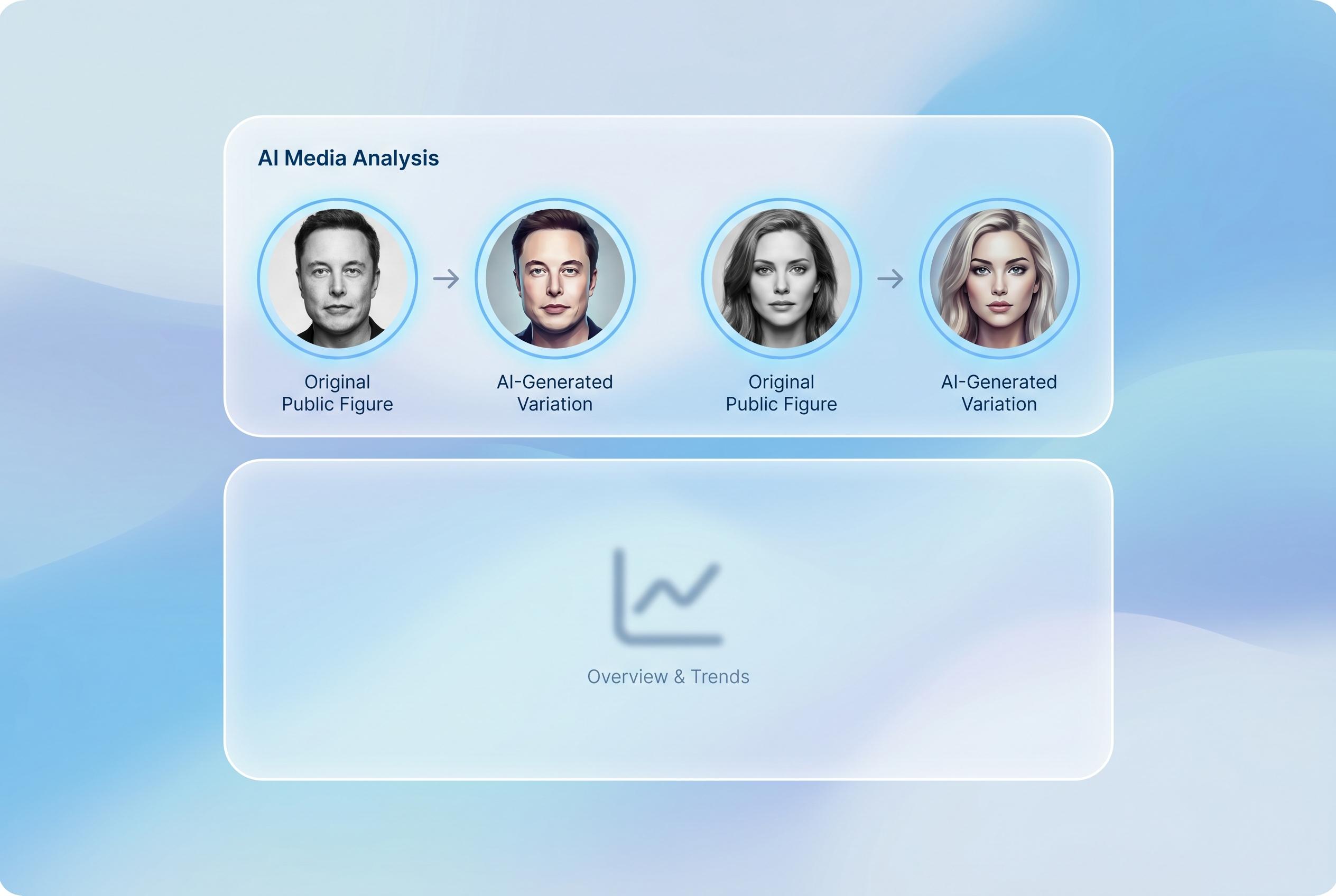
Public figures are increasingly seeking UK trade mark registration for their faces to combat the rise of AI-generated synthetic images, highlighting legal challenges and evolving protection strategies in a digital age.
Luke Littler’s decision to seek UK trade mark protection for his face reflects a broader scramble among public figures to exert some control over how their likenesses are used in an era of rapidly improving generative AI. According to Briffa’s analysis, the application has already been published by the UK Intellectual Property Office, placing the teenage darts star among a growing number of celebrities and sportspeople trying to protect the commercial value of their image.
The issue is sharpened by the fact that UK law does not recognise a standalone image right. That leaves public figures to rely on existing legal tools, including trade marks, as AI systems make it easier to create convincing, altered or synthetic images at scale. UK government guidance says trade marks are designed to protect brand identifiers such as names and logos, but it also makes clear that a wider range of signs can, in principle, be registered if they meet the legal tests. Briffa says that is why some well-known figures are now attempting to register a photorealistic version of their face, rather than waiting for the law to catch up.
For a facial image to be registrable, it must be capable of being represented clearly, must distinguish one trader’s goods or services from another’s, and must function as a badge of origin rather than as decoration. That last point is often where applications struggle. The UKIPO has previously indicated that pictures of famous people are especially vulnerable to objections on the basis that they look merely decorative, particularly when filed for products such as posters or photographs. Sir Alex Ferguson’s unsuccessful attempt to register his name for goods that could carry his image is one example of the difficulties.

There is, however, no settled European consensus. Briffa notes that the EUIPO has often taken a restrictive view, while the EU’s Board of Appeal has said that a face can be distinctive in the right circumstances. In a notable 2017 decision, the board allowed a model’s face to proceed because it was the image of a specific individual with recognisable features. A further reference now pending before the EUIPO Grand Board is expected to provide more clarity, and could also influence thinking in the UK.
The strongest UK example so far may be Cole Palmer, whose protection strategy covered his name, nickname, face, signature and goal celebration across a broad range of goods and services. Briffa says that wider filing helped strengthen the case for distinctiveness, with the footballer’s “shiver” celebration adding to the mark’s identity. The lesson, for celebrities at least, is that a face can sometimes be protected, but only if it is presented as part of a wider commercial brand and not as a simple portrait.
For major personalities, the attraction is obvious: a registered mark can help support licensing deals and deter unauthorised merchandising, while also giving a stronger basis for challenging commercial use in AI training or synthetic content. Whether that route will ever be available to ordinary individuals remains far less certain. For now, the law appears to be moving, but unevenly, as trade mark practice is pressed into service for problems it was never originally designed to solve.
Source Reference Map
Inspired by headline at: [1]
Sources by paragraph:
- Paragraph 1: [2], [4]
- Paragraph 2: [2], [3], [6]
- Paragraph 3: [2], [3], [4]
- Paragraph 4: [4], [5]
- Paragraph 5: [1], [4], [5]
- Paragraph 6: [1], [2], [6]
Source: Noah Wire Services
Noah Fact Check Pro
The draft above was created using the information available at the time the story first
emerged. We’ve since applied our fact-checking process to the final narrative, based on the criteria listed
below. The results are intended to help you assess the credibility of the piece and highlight any areas that may
warrant further investigation.
Freshness check
Score:
7
Notes:
The article discusses Luke Littler’s recent application to trademark his face, a move reported by multiple reputable sources in March 2026. The earliest known publication date of similar content is March 20, 2026. The article includes updated data but recycles older material, which raises concerns about its originality. Additionally, the article is based on a press release, which typically warrants a high freshness score. However, the presence of recycled content and reliance on a press release suggest a need for cautious evaluation. Given these factors, the freshness score is moderate.
Quotes check
Score:
5
Notes:
The article includes direct quotes attributed to Briffa’s analysis and UK government guidance. However, these quotes cannot be independently verified through the provided sources. The lack of verifiable quotes raises concerns about the article’s credibility. Given the inability to confirm the authenticity of the quotes, the score is low.
Source reliability
Score:
4
Notes:
The article originates from Briffa, a niche intellectual property law firm. While Briffa is reputable within its field, it is not a major news organisation, which may limit the article’s reach and impact. Additionally, the article is based on a press release, which may not provide independent verification of the claims. Given these factors, the source reliability score is low.
Plausibility check
Score:
6
Notes:
The article discusses the plausibility of registering a facial image as a trade mark in the UK, referencing previous cases and legal considerations. However, the article lacks supporting detail from other reputable outlets, which raises concerns about its credibility. The absence of independent verification and the reliance on a single source suggest a need for cautious evaluation. Given these factors, the plausibility score is moderate.
Overall assessment
Verdict (FAIL, OPEN, PASS): FAIL
Confidence (LOW, MEDIUM, HIGH): MEDIUM
Summary:
The article presents information about Luke Littler’s application to trademark his face, a topic reported by multiple reputable sources in March 2026. However, the article relies heavily on a press release from Briffa, a niche intellectual property law firm, and includes quotes that cannot be independently verified. The lack of independent verification and the reliance on a single source raise significant concerns about the article’s credibility. Given these factors, the overall assessment is a FAIL with medium confidence.