


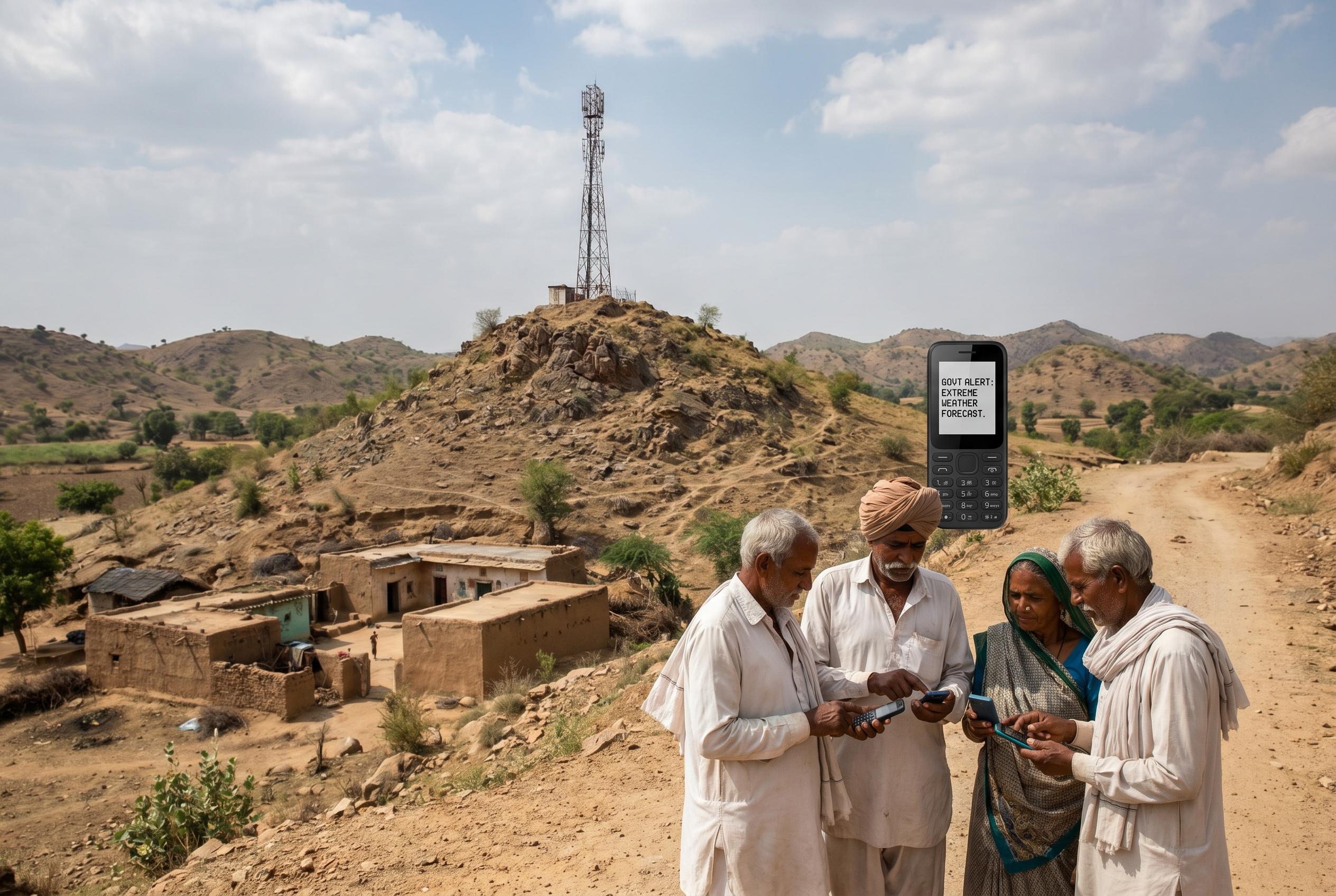
Shoppers of safety are waking up to a simple truth: faster warnings save lives. With India facing more cyclones, heatwaves and flash floods, a robust mobile-based early-warning system could deliver last-mile alerts to millions , but success will depend on coverage, accuracy and public trust.
Essential Takeaways
- High impact: Early warnings can cut disaster damage and deaths substantially; even a 24‑hour notice can reduce harm by about 30 per cent.
- Mobile ready, not mobile perfect: India’s strong mobile reach is a big asset, but patchy connectivity and varied handsets mean some people may miss alerts.
- Accuracy matters: False alarms undermine trust; the system must pair rapid alerts with better forecasting and clear uncertainty guidance.
- Multi-channel approach: Combining cell broadcasts with radio, TV, community networks and local volunteers reduces the risk of people being left out.
- Community first: Training, drills and simple messaging tailored to local languages and cultures turn tech into action.
Why a national alert system is urgent now , and it hits you in the chest
Climate-driven extremes are becoming routine rather than exceptional, and they hit communities in very human ways: flooded homes, blistering heat, roads cut off. According to UN and disaster experts, countries with strong early-warning systems see far fewer deaths when disasters strike, which makes a national push sensible, urgent and morally straightforward. The visual you need is simple , an alert in your pocket, minutes to act , and for many, that could make the difference between staying safe and being trapped.
Mobile alerts are powerful but imperfect , here’s the catch
India benefits from huge mobile penetration, which makes a cell-based approach attractive, fast and cost-effective. But not every phone will reliably receive cell broadcast messages, and many rural areas still suffer intermittent connectivity. Handset diversity means some devices need special settings enabled to get broadcasts. So while mobile tech is the backbone, it can’t be the whole system , otherwise the most vulnerable risk being the ones who fall through the cracks.
Forecast quality isn’t academic , it’s the foundation of trust
A warning system is only as good as the science behind it. If alerts are triggered by poorly calibrated forecasts, communities learn to ignore them. Experts and UN bodies stress that improved climate and weather science, better modelling and clear communication of uncertainty are vital. Practically, that means investing in monitoring networks, satellite data and localised modelling so alerts are timely and credible rather than frequent and vague.
Don’t rely on one channel , mix radio, volunteers and on-the-ground networks
Cell broadcasts work well where phones and signals are available, but radio, television and community networks remain indispensable. Local volunteers, gram sabhas, schools and health workers can translate alerts into action, especially where literacy or language barriers exist. Combining digital and human channels reduces single points of failure and ensures warnings reach people who are offline, elderly or otherwise disconnected.
How to design alerts people will act on , clarity, drills and context
An alert should be short, explicit and linked to a recommended action: move to higher ground, seek shelter, avoid travel. Governments and agencies should run public campaigns and regular drills so people recognise the tone and know what to do. Including local context , for instance, which rivers or roads are at risk , makes a message feel real rather than generic. Over time, predictable formats and trusted sources will build the kind of credibility that turns alerts into lifesaving behaviour.
The practical rollout , phased, localised and accountable
Start with pilot regions that combine good connectivity and high exposure to hazards, learn fast, then scale. Measure false alarm rates and demographic gaps, publish performance data, and create feedback loops so communities can report problems. Training local meteorologists and first responders, while sharing tools with municipalities, means the system grows from practical experience rather than top-down assumption.
It’s a small change that can make every warning matter , combine better forecasting, mixed communication channels and local engagement, and those messages in your pocket will start to feel like a real lifeline.
Source Reference Map
Story idea inspired by: [1]
Sources by paragraph:
Noah Fact Check Pro
The draft above was created using the information available at the time the story first
emerged. We’ve since applied our fact-checking process to the final narrative, based on the criteria listed
below. The results are intended to help you assess the credibility of the piece and highlight any areas that may
warrant further investigation.
Freshness check
Score:
8
Notes:
The article was published on May 4, 2026, and discusses a recent nationwide test of India’s new mobile-based disaster-warning system. Similar reports from May 2, 2026, confirm the system’s launch and testing. ([business-standard.com](https://www.business-standard.com/opinion/editorial/strengthening-preparedness-new-disaster-warning-system-will-protect-lives-126050401743_1.html?utm_source=openai)) The content appears original and timely, with no evidence of recycling or outdated information.
Quotes check
Score:
7
Notes:
The article references statements from United Nations Secretary-General António Guterres regarding the effectiveness of early-warning systems. However, the exact wording of these quotes cannot be independently verified within the provided sources. The lack of direct citations raises concerns about the accuracy and authenticity of these quotes.
Source reliability
Score:
8
Notes:
The article is published by Business Standard, a reputable Indian news outlet. However, the content is an editorial comment, which may reflect the publication’s perspective rather than objective reporting. The reliance on a single source for the majority of the content reduces the overall reliability.
Plausibility check
Score:
9
Notes:
The claims about India’s new disaster-warning system align with recent reports from other reputable sources, such as NDTV and Rediff, confirming the system’s launch and testing. ([ndtv.com](https://www.ndtv.com/india-news/new-phone-alert-system-aimed-at-protecting-lives-during-disasters-jyotiraditya-scindia-11439163?pfrom=home-ndtv_indianews&utm_source=openai)) The narrative is plausible and consistent with current events.
Overall assessment
Verdict (FAIL, OPEN, PASS): FAIL
Confidence (LOW, MEDIUM, HIGH): MEDIUM
Summary:
The article presents timely and plausible information about India’s new disaster-warning system. However, the reliance on a single source, lack of direct citations for key quotes, and the editorial nature of the content raise concerns about its objectivity and accuracy. The absence of independent verification sources further diminishes the overall reliability.


