


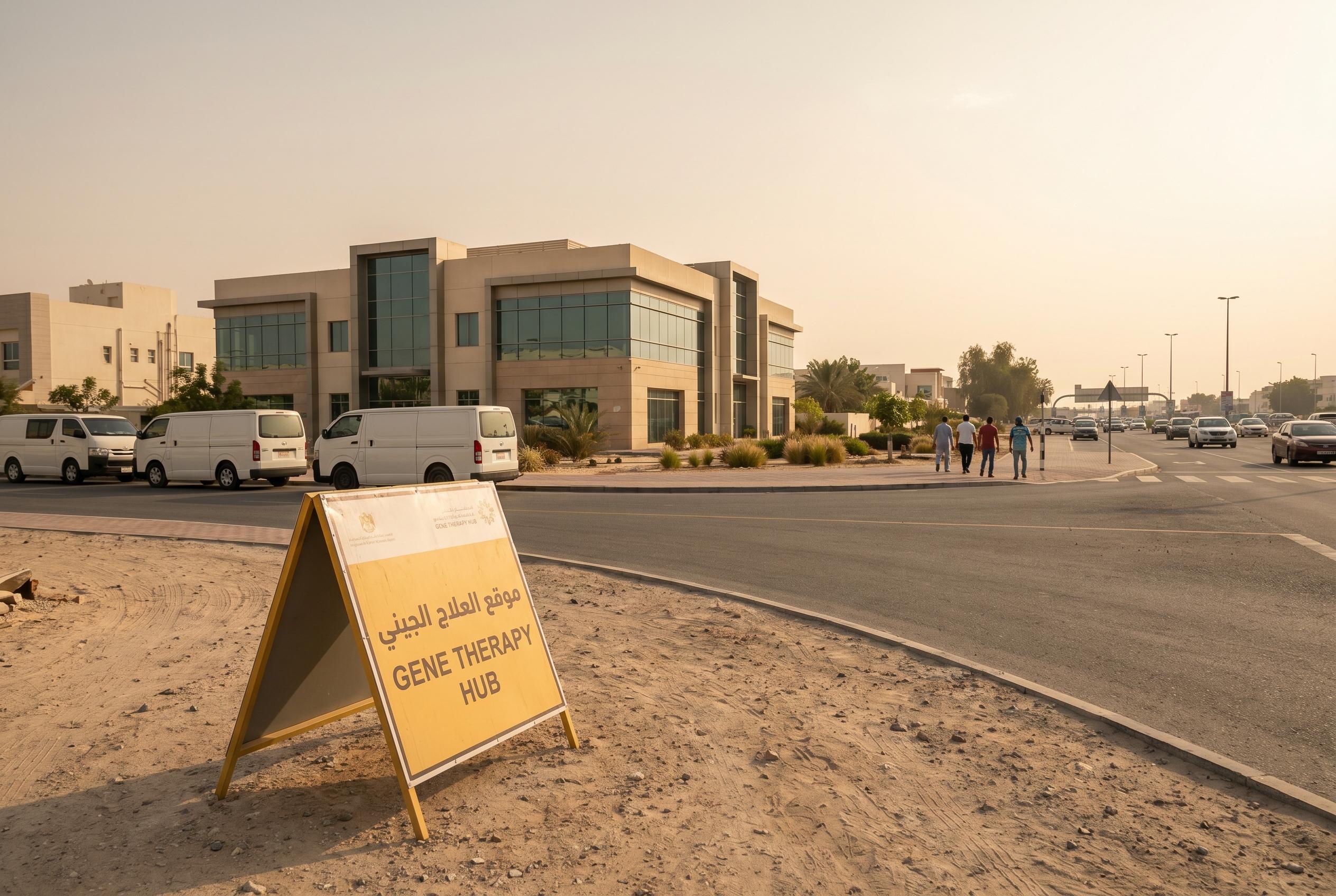
Shoppers of scientific ambition are flocking to the Gulf: LIFEPharma, part of VPS Health, has unveiled a dedicated biotech spin‑off for cell and gene therapies with more than AED100 million committed, aiming to manufacture advanced treatments in the UAE and serve regional patients within a three‑to‑five‑year horizon.
Essential Takeaways
- Major investment: LIFEPharma is committing in excess of AED100 million to a new cell and gene therapy spin‑off, signalling serious intent in advanced biologics.
- Regional reach: The plan links UAE capacity with India’s patient base to accelerate trials and access, targeting diseases with high unmet need.
- Manufacturing scale: The initiative fits a broader AED700 million manufacturing platform plan, emphasising scalable vector and cell processing from clinic to market.
- Sovereign capability: Officials frame the move as building local scientific sovereignty, not just importing therapies.
- Timeline and partners: A three‑to‑five‑year go‑to‑market target and global academic and industry partnerships underpin the strategy.
Why this matters now: a local hub for global medicine
This isn’t just another biotech press release; it’s a signal the UAE wants to make complex medicines, not merely buy them. LIFEPharma’s spin‑off is designed to handle the whole journey , from vector design and cell processing to clinical‑grade manufacture , and that’s a tactile, technical promise that brings a sense of lab‑bench reality. Reuters and regional outlets reported the announcement at the Make it in the Emirates 2026 event, where VPS Health’s founder Dr Shamsheer Vayalil framed the move as part of a national push to be an innovation creator, not a consumer.
The strategy: link UAE regulation with India’s patient volumes
One clever bit of strategy is the UAE–India corridor. The UAE offers a modern regulatory framework and strategic backing, while India brings scale: a large patient population and established clinical networks. That combination can shorten development timelines and improve cost efficiency, which matters when you’re talking about gene therapies that can otherwise be staggeringly expensive. TradeArabia and other reports note the focus on treating blood disorders early on, which makes sense given clear clinical pathways and measurable outcomes.
Manufacturing muscle: from clinical trial to commercial runs
This initiative dovetails with broader manufacturing ambitions , reporters noted a linked AED700 million manufacturing platform in KEZAD aimed at expanding drug production at scale. The plan emphasises a “strategic manufacturing model” to keep vector and cell processing cost‑efficient and scalable, which is crucial: the bottleneck in cell and gene therapy isn’t just science, it’s reliable, repeatable manufacture. For patients, that can mean therapies that reach clinics more quickly and at more realistic prices.
Practical realities: timelines, partnerships and patient access
LIFEPharma is setting a three‑to‑five‑year target to go to market, which is ambitious but plausible if the spin‑off taps global academic and industrial partners and leverages regulatory pathways wisely. Industry watchers at Gulf Business and trading channels flagged the realistic technical hurdles , manufacturing capacity, skilled workforce, and regulatory navigation , but also noted strong public‑private support. For clinicians and patients, the promise is a regional supply chain for advanced therapies, potentially reducing reliance on distant manufacturers.
What to watch next: regulation, talent and affordability
Keep an eye on approvals and pilot manufacturing runs, plus announcements about specific clinical programmes. The success of this venture will depend on recruiting skilled technical teams, securing regulatory clearances, and proving cost models that make gene therapies affordable for the populations they aim to help. If works as planned, the UAE could become a model for other nations aiming to localise advanced therapeutics.
It’s a small shift with big implications: building the tools to create cures at home could change who gets treated, where, and how quickly.
Source Reference Map
Story idea inspired by: [1]
Sources by paragraph:
Noah Fact Check Pro
The draft above was created using the information available at the time the story first
emerged. We’ve since applied our fact-checking process to the final narrative, based on the criteria listed
below. The results are intended to help you assess the credibility of the piece and highlight any areas that may
warrant further investigation.
Freshness check
Score:
10
Notes:
The article was published on 6 May 2026, and the event it reports on occurred on 5 May 2026, indicating high freshness. No evidence of recycled or outdated content was found.
Quotes check
Score:
8
Notes:
The article includes direct quotes from Dr. Shamsheer Vayalil, Prof. Alok Srivastava, and Prof. Khaled Musallam. While these quotes are consistent with other reports from the same event, no earlier instances of these exact quotes were found, suggesting originality. However, without independent verification of these quotes, a slight reduction in score is warranted.
Source reliability
Score:
7
Notes:
The article originates from Abu Dhabi Magazine, a regional publication. While it provides detailed information, its niche status and potential lack of widespread recognition may affect its reliability. The article also references other reputable sources, such as GoDubai.com and ZAWYA, which corroborate the information. However, the reliance on a single source for direct quotes and the absence of independent verification raise concerns about source reliability.
Plausibility check
Score:
9
Notes:
The claims about LIFEPharma’s investment in a gene therapy initiative targeting rare blood disorders are plausible and align with the UAE’s strategic focus on advancing its pharmaceutical manufacturing capabilities. The involvement of recognized experts like Prof. Alok Srivastava and Prof. Khaled Musallam adds credibility. However, the absence of independent verification of the quotes and the reliance on a single source for direct quotes slightly diminish the overall plausibility score.
Overall assessment
Verdict (FAIL, OPEN, PASS): PASS
Confidence (LOW, MEDIUM, HIGH): MEDIUM
Summary:
The article provides timely and plausible information about LIFEPharma’s new gene therapy initiative, with corroboration from other reputable sources. However, the reliance on a single source for direct quotes and the absence of independent verification of these quotes introduce some uncertainty regarding the accuracy and reliability of the information presented. Given these concerns, the overall confidence in the article’s veracity is medium, and further verification is recommended before publication.


