


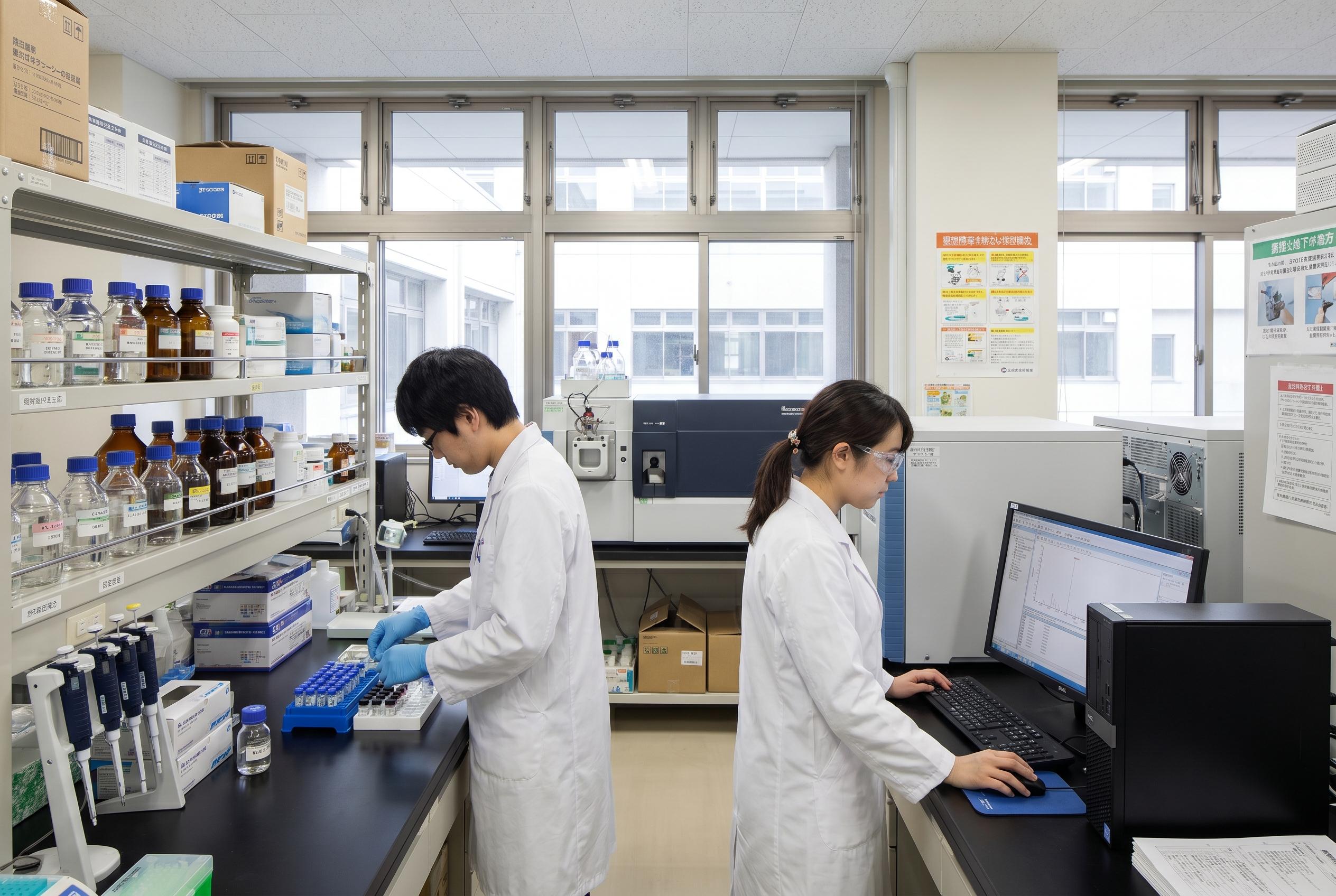
Shoppers are turning to mass spectrometry as clinical labs push for more precise, multiplexed testing; hospitals and diagnostic centres in North America and Europe are adopting LC‑MS and MALDI‑TOF platforms to cut false positives, speed results and support precision medicine.
Essential Takeaways
- Market scale: Clinical MS market valued at about US$1.92bn in 2025 and projected to hit roughly US$3.31bn by 2031, growing at ~9.5% CAGR.
- Why labs switch: LC‑MS and MALDI‑TOF deliver higher specificity, multiplex testing and fewer cross‑reactivities than many traditional immunoassays.
- Full ecosystems matter: Modern offerings bundle automation, LIS connectivity and AI‑assisted data interpretation for faster turnaround and reproducibility.
- Leading vendors: Thermo Fisher, Agilent, SCIEX, Waters, Bruker and Shimadzu drive adoption with instrument breadth, assay kits and clinical support.
- Practical edge: Triple quadrupole systems suit high‑throughput quantitation; HRAM platforms help when complex biomarker resolution matters.
Why clinical labs are swapping immunoassays for LC‑MS and MALDI‑TOF now
The clearest fact is that specificity and multiplexing are changing everyday diagnostics, and you can almost feel the difference in a lab switching to MS , results are cleaner, and clinicians trust them more. According to industry reporting, labs increasingly favour LC‑MS for therapeutic drug monitoring, endocrinology and newborn screening where immunoassays can struggle. That shift is driven by clinical need: fewer false positives, the ability to measure several analytes in one run, and improved reliability for tricky cases. For hospitals considering an upgrade, think about which test menus will benefit most , hormone panels, vitamin D, or toxicology screens are often the low‑hanging fruit.
It’s not just instruments anymore , the rise of integrated workflows
Vendors no longer sell metal and pumps alone; they sell a whole workflow experience that feels smooth to the lab team. Modern MS solutions pair automated sample prep, middleware and LIS connectivity, and even AI‑assisted data interpretation to reduce manual effort and speed reporting. That translates into faster turnaround times and lower cost per test when volumes justify the upfront spend. If you’re evaluating systems, weigh service contracts and software compliance features as heavily as sensitivity specs , the real value lies in harmonised workflows, not just peak instrument performance.
Picking the right tech: triple quad vs high‑resolution systems
There’s a pragmatic choice to be made: triple quadrupoles shine for targeted, high‑throughput quantitation and are workhorses for routine assays, while high‑resolution accurate‑mass (HRAM) platforms excel when you need to resolve complex biomarkers or discover novel compounds. Labs moving from immunoassays often start with triple quads to cover therapeutic drug monitoring and toxicology, then add HRAM for research and complex cases. Practical tip: match platform capability to test volume and staff expertise , don’t buy the most capable machine if you won’t use its advanced features.
Who’s shaping the market and why competition matters
A handful of big players dominate because clinical MS needs reliable service networks, regulatory know‑how and broad assay portfolios. Thermo Fisher, Agilent, SCIEX, Waters, Bruker and Shimadzu are frequently cited as market leaders, each carving out strengths , from Orbitrap‑based sensitivity to user‑friendly, high‑throughput platforms. Competition is increasingly about workflow simplicity and total cost of ownership rather than raw specs, which is good news for labs: vendors are making systems more accessible with turnkey kits, validated assays and stronger customer support. Expect partnerships between instrument makers and clinical labs to accelerate, as vendors push to make MS mainstream.
The bigger picture: mass spectrometry as a pillar of precision medicine
Clinical mass spectrometry is quietly becoming a cornerstone of personalised care, and that has ripple effects across diagnostics and treatment. By producing more accurate, multi‑analyte data, MS supports better drug dosing, earlier disease detection and more reliable newborn screening. Industry forecasts point to sustained growth through the decade, reflecting not just demand but also improving automation and regulatory readiness. For clinicians and lab managers, the takeaway is simple: precision isn’t optional anymore, and investing in MS‑enabled workflows can pay dividends in patient outcomes.
It’s a small change that can make every result more reliable and every clinical decision a little surer.
Source Reference Map
Story idea inspired by: [1]
Sources by paragraph:
Noah Fact Check Pro
The draft above was created using the information available at the time the story first
emerged. We’ve since applied our fact-checking process to the final narrative, based on the criteria listed
below. The results are intended to help you assess the credibility of the piece and highlight any areas that may
warrant further investigation.
Freshness check
Score:
3
Notes:
⚠️ The article was published on May 4, 2026, but the content heavily references a press release from January 27, 2026, and a blog post from December 18, 2024. This suggests that the article may be repurposed or summarised from existing sources, raising concerns about originality and freshness. ([globenewswire.com](https://www.globenewswire.com/news-release/2026/01/27/3226550/0/en/Global-Clinical-Mass-Spectrometry-Market-to-Reach-USD-3-31-Billion-by-2031-MarketsandMarkets.html?utm_source=openai))
Quotes check
Score:
2
Notes:
⚠️ The article includes direct quotes from the January 27, 2026, press release. However, these quotes cannot be independently verified, as they are not attributed to specific individuals or sources. This lack of verifiability raises concerns about the authenticity and reliability of the information presented.
Source reliability
Score:
4
Notes:
⚠️ The primary source appears to be a press release from MarketsandMarkets, a market research firm. While such firms provide valuable insights, their content is often promotional and may lack independent verification. The reliance on a single source without corroboration from other reputable outlets diminishes the overall reliability of the information.
Plausibility check
Score:
5
Notes:
✅ The claims about the growth of the clinical mass spectrometry market and the shift towards LC-MS and MALDI-TOF platforms are plausible and align with industry trends. However, the lack of independent verification and reliance on a single source for these claims reduces the confidence in their accuracy.
Overall assessment
Verdict (FAIL, OPEN, PASS): FAIL
Confidence (LOW, MEDIUM, HIGH): MEDIUM
Summary:
⚠️ The article raises several concerns regarding freshness, originality, and source independence. It heavily relies on a press release from MarketsandMarkets, with no independent verification from other reputable sources. The inclusion of unverifiable quotes and the lack of original reporting further diminish the credibility of the content. Given these issues, the article does not meet the necessary standards for publication.


