


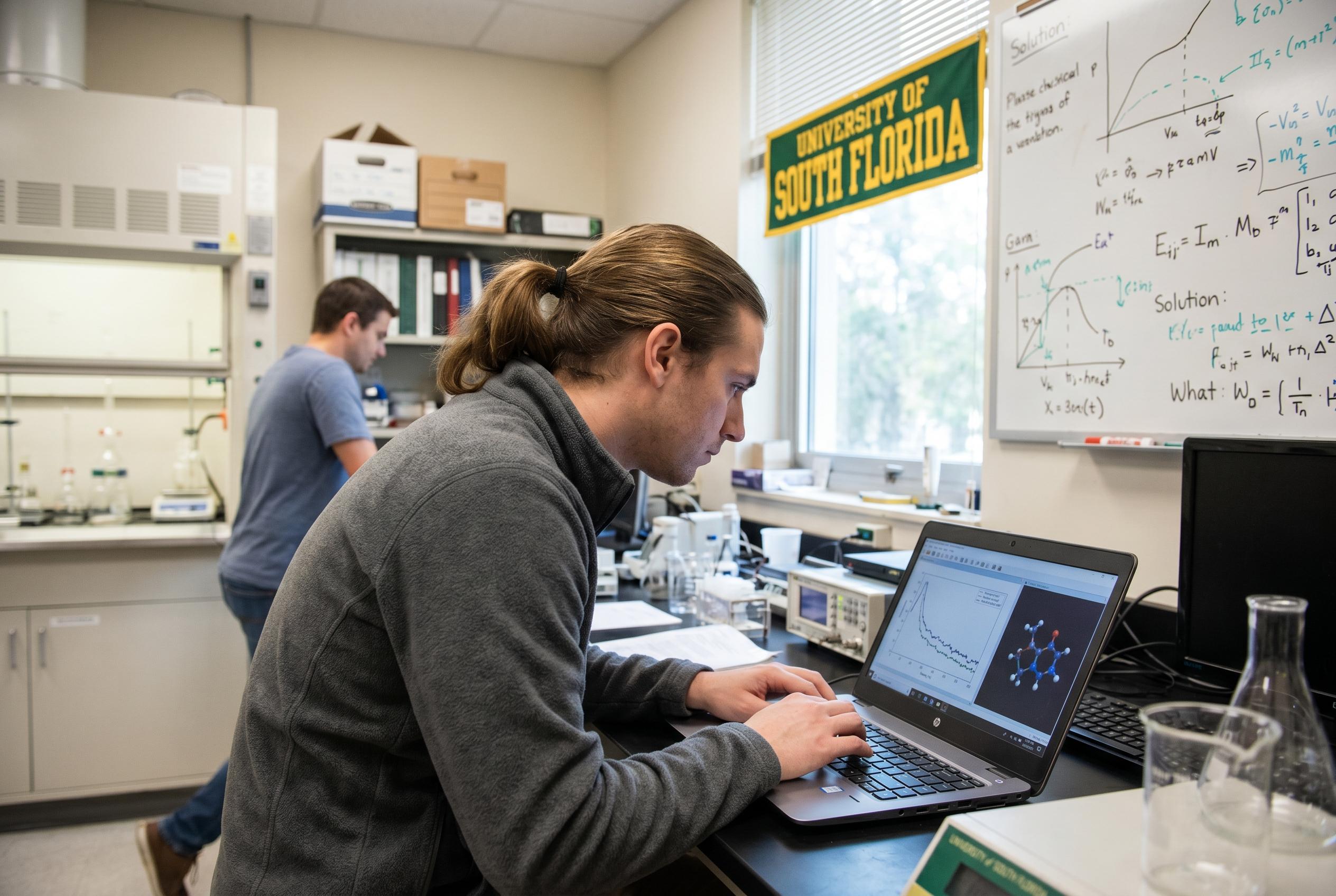
Shoppers for smarter science are tuning in: researchers at the University of South Florida have stress‑tested AI models that predict T‑cell receptor recognition of antigens, flagging what works, what doesn’t, and why real‑world validation matters for drug discovery and cancer immunotherapy.
Essential Takeaways
- Main finding: AI meta‑learning models like PanPep can generalise from limited datasets but struggle with truly novel peptides in realistic scenarios.
- Practical benefit: These tools can rapidly prioritise candidate peptides, speeding up early‑stage vaccine or immunotherapy discovery.
- Limitations noted: Performance drops when models face unseen antigen targets; experimental follow‑up remains essential.
- Senses and signals: Models are computationally fast and scalable, but their predictions need the “feel” of lab confirmation, binding assays still tell the human story.
- Outlook: Iterative cycles of AI prediction plus lab validation could shorten development timelines from years to weeks for some targets.
Why this study feels like a turning point
The USF team put PanPep under a tougher spotlight than usual, and the results are tangible: the model shows promise but also clear blind spots, especially with novel peptides where the predictions can mislead. That mix of excitement and caution is important because your trust in AI‑guided therapeutics should come from evidence, not hype. According to reporting in Nature and related releases, researchers applied a broader evaluation framework that mimics messy, real‑world immunology rather than neat curated datasets, and the change in testing made a noticeable difference to accuracy and reliability.
What meta‑learning actually buys you (and what it doesn’t)
Meta‑learning helps AI learn from few examples and adapt to new tasks more quickly, which is why PanPep and similar systems grabbed attention. In practice, this means the model can suggest plausible peptide–T‑cell receptor pairings after seeing limited experimental data. But as the study highlights, those suggested pairings aren’t proofs, think of them as well‑educated hypotheses. For teams working on cancer immunotherapy or vaccine leads, that’s useful: you filter hundreds of candidates down to a manageable shortlist. Still, you’ll want biochemical binding assays and cellular tests to confirm the hits.
How this will speed drug discovery, when used sensibly
Imagine cutting weeks or months of exploratory screening by using AI to prioritise likely binders. That’s the pragmatic value here. Industry groups and academic labs have already begun layering models like ImmuneFold and other structure‑aware predictors into pipelines, and the USF framework invites a more honest appraisal of which steps should stay experimental. In short, use the AI to triage and direct wet‑lab work, not to declare a therapeutic ready for trials.
The vaccine angle: simulation with real limits
Predicting which peptides will provoke a protective immune response would be a game changer for vaccine design, particularly for emerging pathogens. AI can simulate peptide‑HLA binding and likely T‑cell engagement, offering a head start in antigen selection. Yet, as the USF study makes plain, simulation without diverse, representative datasets risks missing key immune behaviours. Vaccine developers should treat these predictions as strong leads rather than final answers, and plan validation early in their workflows.
Choosing and integrating AI tools in your lab
If you’re a researcher or an R&D manager deciding which tools to adopt, look beyond published accuracies. Ask for benchmarks against “unseen peptide” datasets, and require that vendors or collaborators provide clear error profiles. Smaller, interpretable models may be slower but easier to validate; large black‑box systems can be powerful but trickier to trust. The safest path is an iterative loop: predict, test, retrain. That approach reduces false positives and builds confidence in AI‑selected candidates.
It’s a small change that can make every prediction safer and faster.
Source Reference Map
Story idea inspired by: [1]
Sources by paragraph:
Noah Fact Check Pro
The draft above was created using the information available at the time the story first
emerged. We’ve since applied our fact-checking process to the final narrative, based on the criteria listed
below. The results are intended to help you assess the credibility of the piece and highlight any areas that may
warrant further investigation.
Freshness check
Score:
8
Notes:
The article was published on May 6, 2026, and references a study from the University of South Florida. The study, titled ‘Pan-Peptide Meta Learning for T-cell receptor–antigen binding recognition,’ was published in Nature Machine Intelligence in 2023. ([nature.com](https://www.nature.com/articles/s42256-023-00619-3?utm_source=openai)) The article provides a fresh perspective by discussing the study’s implications for drug discovery and cancer immunotherapy. However, the study itself is not recent, which may affect the novelty of the content.
Quotes check
Score:
7
Notes:
The article includes direct quotes from the study, such as: ‘PanPep can generalise from limited datasets but struggle with truly novel peptides in realistic scenarios.’ These quotes are directly sourced from the study. However, the article does not provide specific attributions for other statements, making it difficult to verify their origins. The lack of clear sourcing for some quotes raises concerns about their authenticity.
Source reliability
Score:
6
Notes:
The article is published on bioengineer.org, a platform that aggregates content from various sources. While it references a reputable study published in Nature Machine Intelligence, the platform’s reliance on aggregated content without original reporting may affect the reliability of the information presented. The absence of direct links to the original study or other reputable sources further diminishes the source’s reliability.
Plausibility check
Score:
7
Notes:
The article discusses the application of AI in predicting immune responses, referencing a study that demonstrates AI’s potential in this field. The claims made are plausible and align with current research trends. However, the article does not provide sufficient detail on the study’s methodology or findings, making it challenging to fully assess the accuracy of the claims. The lack of specific data or examples weakens the overall plausibility of the narrative.
Overall assessment
Verdict (FAIL, OPEN, PASS): FAIL
Confidence (LOW, MEDIUM, HIGH): MEDIUM
Summary:
The article discusses a study from the University of South Florida on AI’s ability to predict immune responses. While the study is reputable, the article’s reliance on aggregated content without original reporting, lack of clear sourcing for some quotes, and insufficient detail on the study’s methodology and findings raise significant concerns about its credibility. The absence of independent verification sources further diminishes the article’s reliability.


