


Shoppers of healthcare data and oncology insiders are tracking a booming chemotherapy market driven by rising cancer rates, cheaper generics and smarter drug delivery , here’s what’s changing, who’s winning and why it matters for patients and payers.
Essential Takeaways
- Market scale: The global chemotherapy market is forecast to swell to roughly US$84 billion by 2031, reflecting double‑digit growth.
- Growth drivers: Rising cancer incidence, expanded access in emerging economies and the spread of oral agents are pushing demand.
- Therapy mix: Traditional classes , alkylating agents and antimetabolites , still dominate, but combination regimens with immunotherapy are surging.
- Delivery evolution: Intravenous remains common, yet oral and nanoparticle delivery options are improving convenience and reducing hospital pressure.
- Competitive landscape: Big pharma and specialist oncology firms alike are positioning for share via generics, biosimilars and targeted delivery platforms.
Why chemotherapy is still central to cancer care
Chemotherapy hasn’t been sidelined by immunotherapy or targeted drugs; it remains a workhorse, often used before surgery to shrink tumours or alongside newer agents to boost response. The treatment’s familiar, sometimes blunt, sensory reality , fatigue, nausea and hair loss , still colours patient experience, but improving formulations and supportive care are softening that edge. According to industry research, the steady prevalence of lung, breast and colorectal cancers is the basic engine behind growing chemotherapy use, and that clinical need keeps R&D and manufacturing busy.
From hospitals to homes: the rise of oral chemotherapy
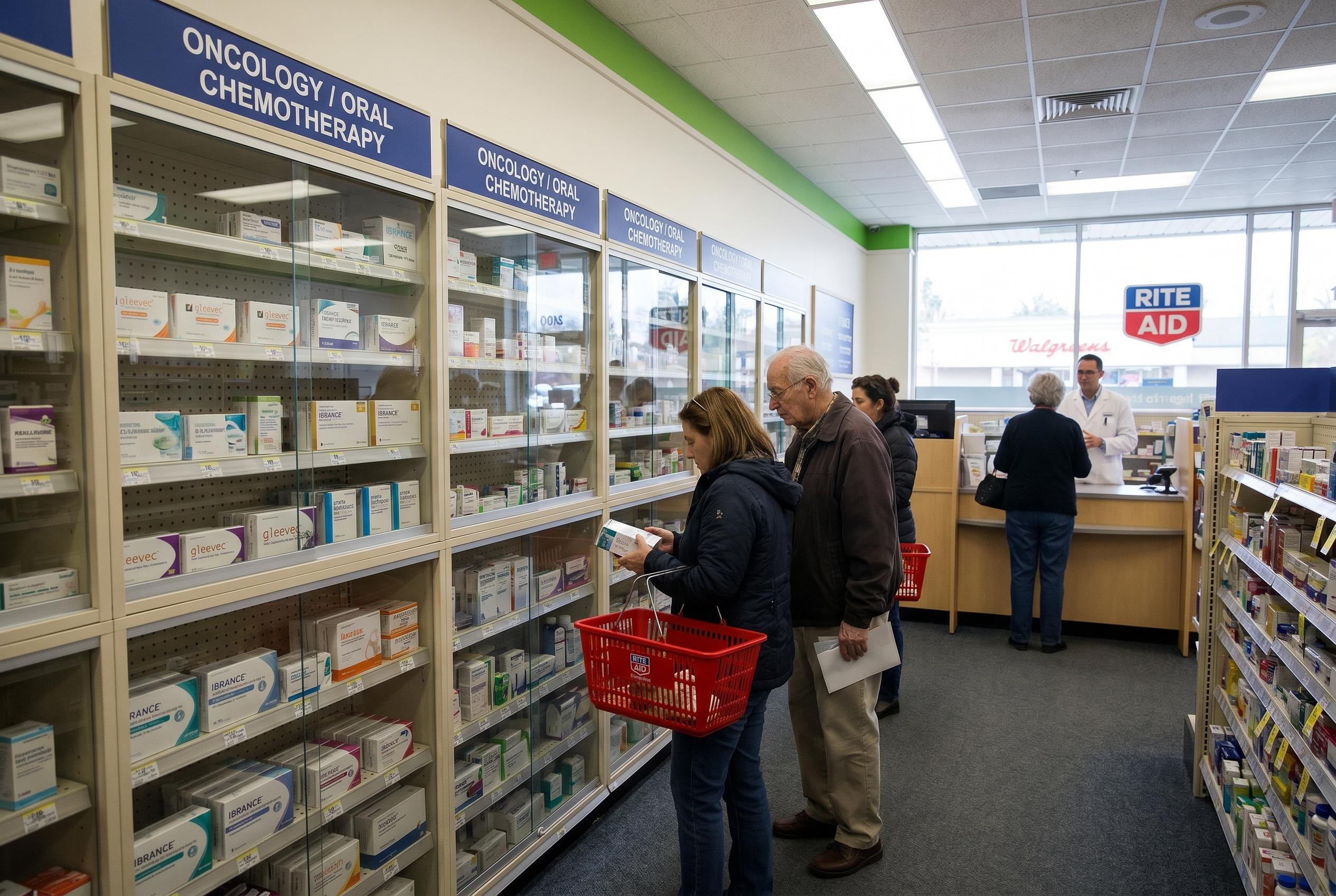
Oral cytotoxic agents are changing the setting of care, letting patients take treatment at home rather than stay in a day ward. That convenience comes with real emotional benefits , fewer hospital visits, a quieter routine , but there are trade‑offs: adherence, safe storage and side‑effect monitoring become individual responsibilities. Market reports note that oral drugs are improving patient compliance and opening new commercial channels for suppliers, while clinicians stress the importance of clear guidance and remote monitoring when shifting care out of the clinic.

Combination therapy: chemotherapy plus immuno and targeted agents
One of the clearest trends is pairing chemotherapy with immunotherapies or targeted treatments to overcome resistance and extend benefit. This tactical mix can amplify tumour kill while allowing lower doses of each agent, which sometimes reduces toxicity. Industry analysts point to regulatory approvals and clinical trials that increasingly test these combinations, and investors are watching biotech pockets that offer novel partners to legacy cytotoxics. For patients, that often translates into better outcomes; for payers, it means weighing higher drug costs against longer survival or fewer hospital admissions.
Generics, biosimilars and affordability across regions
Cost pressure is reshaping the market. The arrival of generics and biosimilar chemotherapy options is widening access, especially in lower‑ and middle‑income countries where expanding healthcare infrastructure is raising diagnostic and treatment rates. Markets in Asia , led by India and China , are becoming manufacturing hubs and demand centres, driving the fastest growth. Analysts caution that quality assurance and supply security must keep pace with scale; clinically, affordable alternatives can mean more people get the care they need rather than facing impossible bills.
Smarter delivery: nanoparticles and targeted carriers on the horizon
Technology is an attention‑grabber here. Nanoparticle carriers and other “smart” delivery systems aim to shepherd cytotoxic drugs straight to tumours, sparing healthy tissue and cutting side effects. These platforms are still emerging, but their promise is big: imagine a chemotherapy that feels less toxic and needs fewer hospital‑led infusion sessions. Companies and research groups are racing to translate these lab wins into approved products, and regulators will be key gatekeepers as safety and effectiveness are proven in larger trials.
Who’s shaping the market and what to watch next
Big pharma names dominate strategic conversations , established players like Pfizer, Novartis and Roche are listed among the leaders , but smaller specialists and contract manufacturers are vital to the generics and biosimilar surge. Keep an eye on approval pipelines, pricing pressures, and partnerships between biotech innovators and legacy firms. For clinicians and patients, the next few years will bring more choices: different formulations, combination regimens and delivery options that aim to balance effectiveness with quality of life.
It’s a market shift with human stakes , more accessible drugs and smarter delivery could make chemo less daunting and more widely available.
Source Reference Map
Story idea inspired by: [1]
Sources by paragraph:
Noah Fact Check Pro
The draft above was created using the information available at the time the story first
emerged. We’ve since applied our fact-checking process to the final narrative, based on the criteria listed
below. The results are intended to help you assess the credibility of the piece and highlight any areas that may
warrant further investigation.
Freshness check
Score:
3
Notes:
The article was published on 5 May 2026. A similar report from Business Market Insights, dated 2024, forecasts the global chemotherapy market to reach US$84,044.04 million by 2031, with a CAGR of 11.5% from 2025 to 2031. This suggests the article may be repurposing existing content, raising concerns about originality.
Quotes check
Score:
2
Notes:
The article includes direct quotes from Business Market Insights. However, these quotes are not independently verifiable online, as the original source is behind a paywall. This lack of verifiability raises concerns about the authenticity and accuracy of the quoted information.
Source reliability
Score:
2
Notes:
The primary source, Business Market Insights, is a market research firm. While it provides detailed reports, these are often behind paywalls, limiting independent verification. The article’s reliance on such sources without accessible verification diminishes its overall reliability.
Plausibility check
Score:
5
Notes:
The article discusses the global chemotherapy market’s growth, citing factors like rising cancer prevalence and the development of oral chemotherapeutic agents. While these trends are plausible, the lack of independent verification and reliance on potentially recycled content raises questions about the article’s credibility.
Overall assessment
Verdict (FAIL, OPEN, PASS): FAIL
Confidence (LOW, MEDIUM, HIGH): HIGH
Summary:
The article relies heavily on information from a paywalled market research report, with direct quotes that cannot be independently verified. This lack of accessible verification sources, combined with potential recycling of existing content, raises significant concerns about the article’s originality and reliability.