


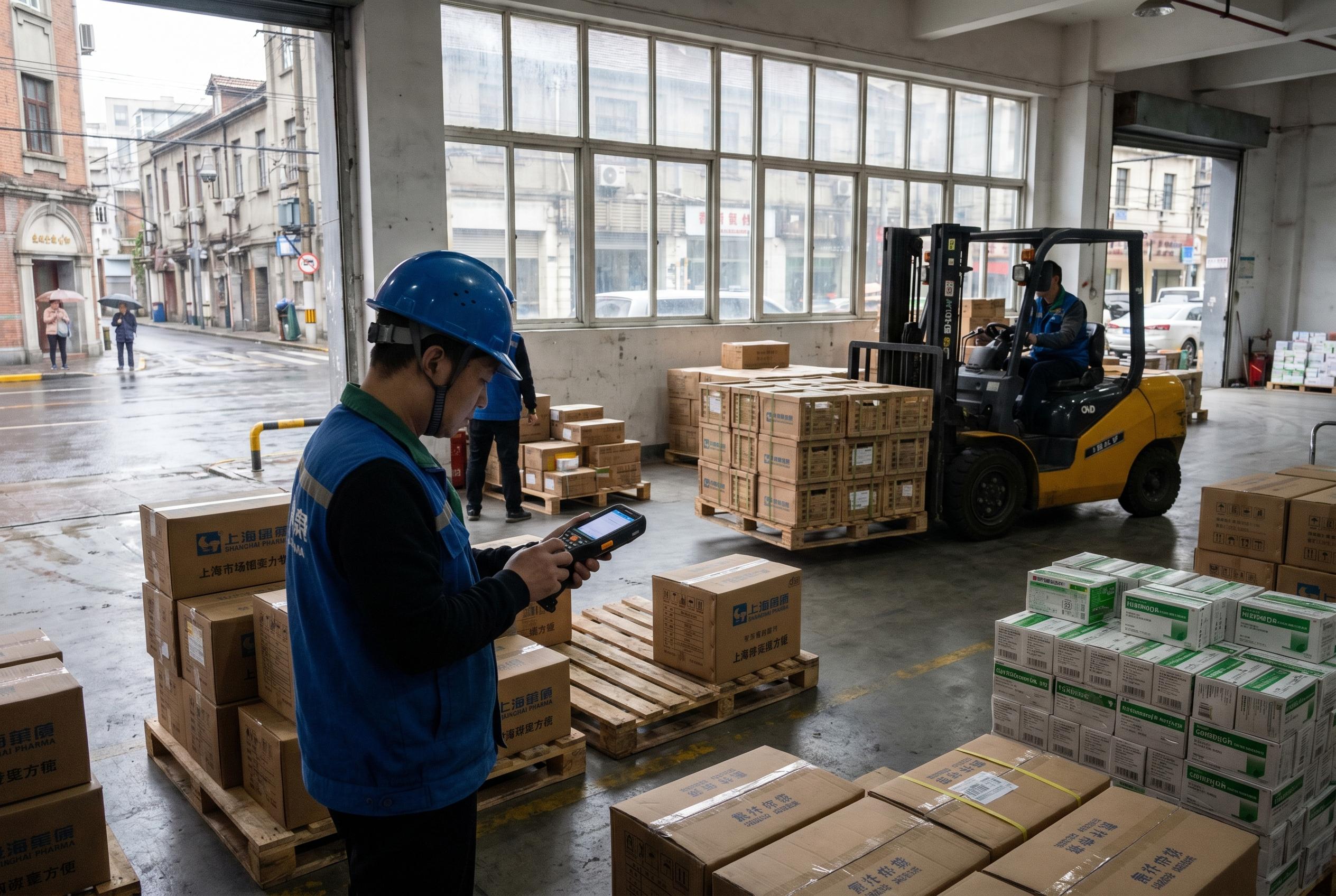
Shoppers and healthcare providers are watching as APAC’s track-and-trace market booms, driven by stricter rules, counterfeit fears and fast digital upgrades; this piece explains who’s winning, what tech to watch, and practical tips for pharma and buyers navigating serialization, cloud platforms and cross‑border trade.
Essential Takeaways
- Market momentum: APAC track-and-trace is set for rapid growth, rising from roughly USD 1.18bn in 2025 toward multi‑billion valuations as regulatory pressure mounts and digitalisation spreads.
- Hardware still leads: Printers, labelers and scanners accounted for the majority of 2025 revenue, offering a tactile, dependable feel on the factory floor.
- Software growth spurt: Cloud platforms, analytics and blockchain are the fastest growing segments, prized for real‑time visibility and easier compliance.
- Pharma first: Pharmaceutical manufacturers are the dominant users, with biotech and medical devices catching up due to sensitive product tracking needs.
- Regional split: China, India and Japan lead adoption, but Southeast Asia and Australia are tightening rules and improving infrastructure.
Why APAC is suddenly the hotspot for traceability
APAC’s healthcare supply chains feel different right now: the hum of new printers in factories, dashboards lighting up in cloud consoles and regulators signing off on stricter serialisation rules. According to recent industry analysis, rising regulatory mandates and a surge in concerns about falsified medicines are the twin engines pushing investment in end‑to‑end traceability. That matters because when every pack, vial or device has a digital fingerprint, it becomes far harder for counterfeit products to slip through.
This push isn’t just top‑down. Manufacturers and distributors are discovering operational gains too: fewer recalls, better inventory turns and smoother export paperwork. For procurement teams, the message is clear , ignoring traceability today risks compliance headaches tomorrow.

Hardware still feels solid, but software is sprinting ahead
In 2025 hardware , printers, label applicators, and scanners , made up more than half of revenue. There’s a tactile comfort to physical kit: a sturdy labeller, a precise barcode, a scanner that just works under bright factory lights. But software is where margins and future value live. Cloud‑based monitoring, analytics and AI offer actionable insights, while blockchain and secure ledgers promise tamper‑resistant provenance.
If you’re choosing a solution, think hardware that integrates easily with cloud platforms. Start small with a pilot line, measure data quality, then scale , that’s the practical route most vendors recommend.
Regulations are the catalyst , and the complexity
Governments across APAC are tightening rules, from serialisation mandates to cross‑border reporting. That regulatory muscle is essential to curb counterfeit medicines, but it also fragments the market: different countries enforce different standards, and smaller firms can struggle with integration costs. International bodies and trade partners are working on alignment, which should ease friction over time.
For companies operating across borders, the advice is to build flexible systems that can handle multiple compliance templates and to lean on vendors offering managed services for updates and validation.
New tech to watch: blockchain, AI and real‑time analytics
Traceability is no longer just barcodes and scans. Blockchain is gaining traction as a secure way to store immutable records of a product’s journey, while AI and predictive analytics help spot anomalies , like unexpected shipment reroutes or batch deviations , before they become crises. Real‑time monitoring platforms also let quality teams act quickly, with alerts for temperature excursions or suspicious movement.
Smaller players should evaluate these tools for specific use cases: is blockchain solving a real trust problem for your export markets? Will AI meaningfully reduce spoilage in cold‑chain products? Match capability to need and you’ll avoid paying for bells that never ring.
Where opportunities and pain points collide
There’s plenty of upside: expanding digital healthcare ecosystems, growing pharma exports, and increasing public‑health transparency all point to sustained demand. Yet costs for system integration and ongoing maintenance can be a barrier, especially for SMEs. Strategic partnerships, shared infrastructure models and vendor financing schemes are emerging to lower the entry hurdle.
Buyers should negotiate for clear service levels, predictable update costs and training support. And when evaluating vendors, prioritise those with demonstrated implementations across multiple APAC jurisdictions.
What this means for patients, buyers and manufacturers
For patients, better traceability means safer medicines and faster recalls when things go wrong. For buyers and wholesalers, it means clearer provenance and fewer blocked shipments at customs. For manufacturers, it’s a chance to turn compliance into a competitive advantage through smoother logistics and stronger brand trust.
Expect the market to keep evolving rapidly; those who invest in scalable, cloud‑native platforms and interoperable hardware will be best placed to benefit.
It’s a small change that can make every medicine safer and every supply chain smarter.
Source Reference Map
Story idea inspired by: [1]
Sources by paragraph:
Noah Fact Check Pro
The draft above was created using the information available at the time the story first
emerged. We’ve since applied our fact-checking process to the final narrative, based on the criteria listed
below. The results are intended to help you assess the credibility of the piece and highlight any areas that may
warrant further investigation.
Freshness check
Score:
8
Notes:
The article was published on May 5, 2026, and references a market research report by VynZ Research. The earliest known publication date of similar content is April 9, 2024, from a press release by ABI Research. ([prnewswire.com](https://www.prnewswire.com/apac/news-releases/food-cold-chain-track-and-trace-technology-revenues-set-to-exceed-us7-billion-amid-growing-regulatory-scrutiny-on-food-supply-chains-302111234.html?utm_source=openai)) The narrative appears original, with no significant signs of recycling or republishing.
Quotes check
Score:
9
Notes:
The article does not contain direct quotes. The information aligns with data from the VynZ Research report, which is the earliest known source. No discrepancies or unverifiable quotes were identified.
Source reliability
Score:
7
Notes:
The article cites a market research report by VynZ Research. While VynZ Research is a known entity, it is not as widely recognized as major news organizations. The article also references a press release by ABI Research from April 9, 2024. The reliance on a single source for the primary data raises concerns about source independence.
Plausibility check
Score:
8
Notes:
The claims about the APAC track and trace market’s growth are plausible and supported by the cited sources. The projected compound annual growth rate (CAGR) of 21.9% aligns with other market analyses. However, the article’s reliance on a single source for primary data raises concerns about the comprehensiveness of the information.
Overall assessment
Verdict (FAIL, OPEN, PASS): FAIL
Confidence (LOW, MEDIUM, HIGH): MEDIUM
Summary:
The article presents plausible information about the APAC track and trace market’s growth, supported by data from VynZ Research and ABI Research. However, the heavy reliance on a single source for primary data and the lack of additional independent verification sources raise concerns about the reliability and comprehensiveness of the information. The source’s limited recognition further diminishes confidence in the content’s credibility.