


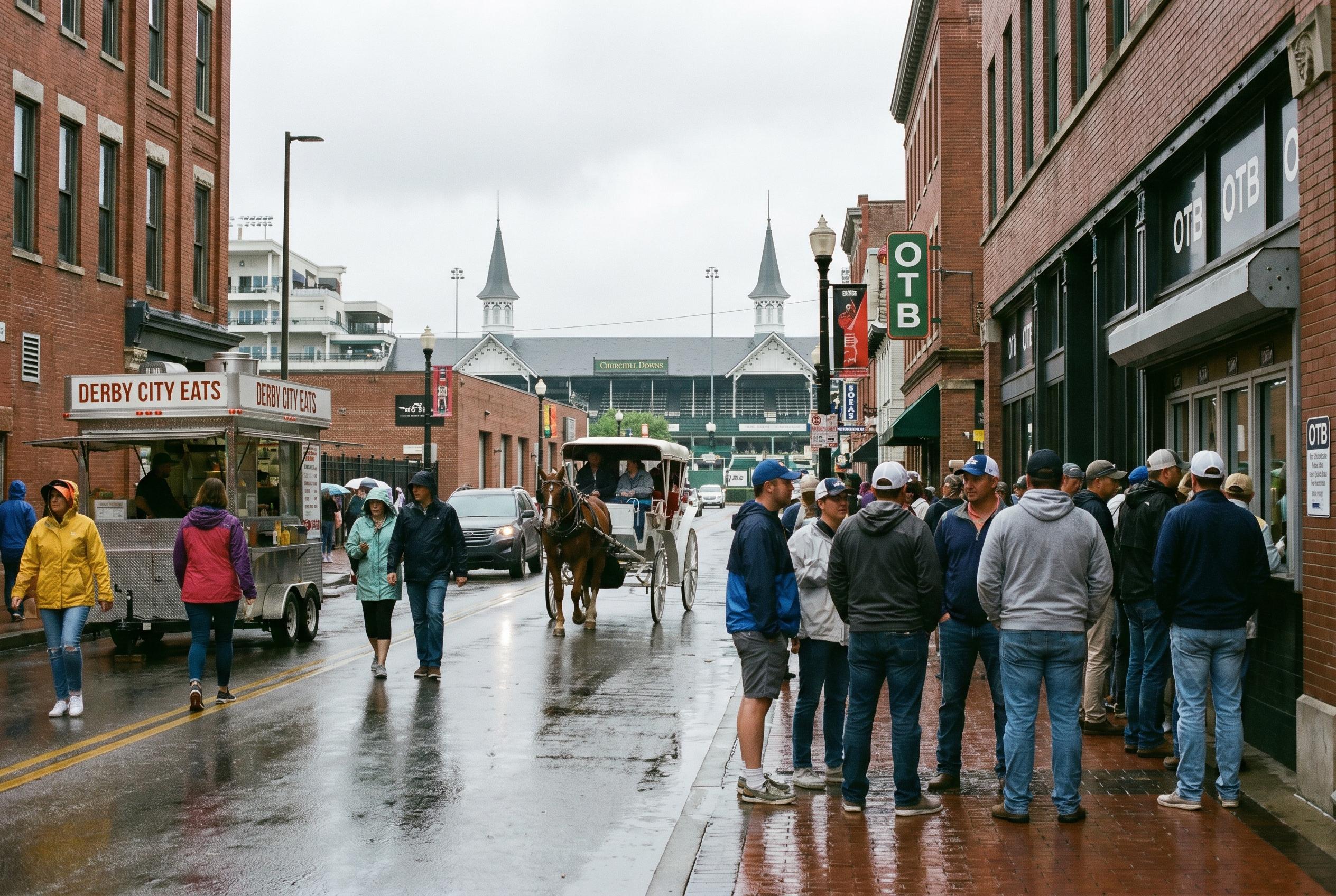
Prediction platforms like Kalshi and Polymarket have held back from offering Derby-related bets amid legal disputes and industry fears that emerging prediction markets could threaten traditional horse racing wagering and revenue streams.
As the Kentucky Derby draws near, one of the newest corners of the gambling market has stayed conspicuously absent from the sport’s most famous wager. Kalshi and Polymarket, two prediction platforms that have pushed into politics, finance and sports, have not offered contracts on the 2026 race, even after Polymarket briefly listed and then pulled a Derby-related market following pressure from Churchill Downs. According to reporting from Covers, Kalshi has not posted Kentucky Derby markets in recent years, while Polymarket removed its contract after being contacted by the track owner.
Churchill Downs says the issue is not a matter of taste but of rights. The company has argued that the Interstate Horseracing Act of 1978 gives racetracks control over wagering on their content, and that outside operators need permission before offering bets tied to horse races. Breck Thomas-Ross, a Churchill Downs spokesperson, told ESPN that the company asked Polymarket to remove the wagers and that Polymarket complied.
The industry’s resistance is rooted in money as much as law. Last year’s Derby generated more than $234 million in bets on the race itself and more than $470 million across the full week at Churchill Downs, figures that help support purses, operations and the wider racing ecosystem. The Jockey Club has also reported a decline in U.S. racing activity, with the number of races down nearly 5% last year and total wagering off 2%, sharpening concerns that new forms of betting could siphon off already fragile handle.

That fear is what has led some racing figures to warn that prediction markets could become a structural threat if they are allowed to grow unchecked. Tom Rooney, the president and chief executive of the National Thoroughbred Racing Association, has said there may be room for a deal, but none exists yet. Thomas Lambert, an economist at the University of Louisville, has argued that if too many bettors migrate to prediction markets, tracks could be left worse off.
The dispute also highlights a broader clash between a federal oversight model built around commodities-style contracts and an older betting framework built around pari-mutuel racing. Kalshi and Polymarket have both challenged restrictions in court and maintain that their products are not conventional gambling. Horse racing is different, however, because it sits under a separate statute that gives racetracks a stronger say over how wagers on their events are framed and sold.
For now, the Derby is holding its ground. Betting on the 2026 race will remain in the traditional channels that have long governed the event, even as prediction markets continue to test the boundaries elsewhere in the gambling landscape. Whether the gap narrows will depend on future legal rulings, commercial negotiations and whether racing leaders decide that accommodation is better than confrontation.
Source Reference Map
Inspired by headline at: [1]
Sources by paragraph:
Source: Noah Wire Services
Noah Fact Check Pro
The draft above was created using the information available at the time the story first
emerged. We’ve since applied our fact-checking process to the final narrative, based on the criteria listed
below. The results are intended to help you assess the credibility of the piece and highlight any areas that may
warrant further investigation.
Freshness check
Score:
8
Notes:
The article references events from April 2026, with the latest update on April 30, 2026. ([covers.com](https://www.covers.com/industry/polymarket-shuts-down-kentucky-derby-contracts-at-churchill-downs-request-april-30-2026?utm_source=openai)) The content appears current and not recycled. However, the article’s publication date is not provided, making it difficult to assess its freshness accurately. ([sportshandle.com](https://sportshandle.com/prediction-markets-kentucky-derby-kalshi-polymarket-blocked-interstate-horseracing-act-2026/?utm_source=openai))
Quotes check
Score:
7
Notes:
The article includes direct quotes from Breck Thomas-Ross, a Churchill Downs spokesperson, and Tom Rooney, president and CEO of the National Thoroughbred Racing Association. ([law.cornell.edu](https://www.law.cornell.edu/topn/interstate_horseracing_act_of_1978?utm_source=openai)) However, without access to the original sources, it’s challenging to verify the accuracy and context of these quotes.
Source reliability
Score:
6
Notes:
The article is sourced from Covers.com, a niche sports betting news outlet. While it provides detailed information, the lack of a broader, more established news source raises concerns about the independence and reliability of the reporting.
Plausibility check
Score:
8
Notes:
The claims about Kalshi and Polymarket not offering Kentucky Derby markets due to legal pressures from Churchill Downs align with known industry dynamics. ([sportshandle.com](https://sportshandle.com/prediction-markets-kentucky-derby-kalshi-polymarket-blocked-interstate-horseracing-act-2026/?utm_source=openai)) However, the article lacks specific details and supporting evidence, making it difficult to fully assess the plausibility of the claims.
Overall assessment
Verdict (FAIL, OPEN, PASS): OPEN
Confidence (LOW, MEDIUM, HIGH): MEDIUM
Summary:
The article presents current information about Kalshi and Polymarket’s absence from Kentucky Derby betting markets, citing legal pressures from Churchill Downs. However, the lack of access to original sources for direct quotes, reliance on a single niche source, and absence of additional verification sources raise concerns about the content’s reliability and independence. Further verification from more established and independent sources is recommended before publication.